


New Ways Organization in Somalia: Over Three Decades of Grassroots Humanitarian and Development Work (1994-Present)
The New Ways Organization (NWO), a national non-governmental organization founded by Somali intellectuals in 1993, has been a critical component of humanitarian and development efforts in Somalia since the height of the civil war and subsequent state collapse. Emerging from the necessity to address the severe humanitarian crisis, particularly in the Lower Shabelle region, NWO’s work has spanned over three decades, evolving from immediate emergency response to comprehensive, long term development programs aimed at fostering community resilience and social justice across multiple federal states.
Pivotal Role in Emergency Response and Early Establishment (1994 – Early 2000s) Starting in 1993, specifically in Merka city, NWO immediately engaged in life-saving activities. In an environment defined by chaos and the absence of a functioning government, the organization’s foundational projects focused on establishing basic social services. This included the swift creation of a health center and a primary school essential infrastructure that had vanished in many parts of the country. This early work, supported initially by small external funds and, crucially, by active community participation and Somali diaspora individuals, set the precedent for NWO’s community-led approach. These initial successes in health and education were soon followed by projects in sanitation and emergency assistance, ensuring the survival and well-being of the most vulnerable populations affected by the ongoing hostilities.
Diversification and Expansion of Core Programs (2000s – Present):
As the political and security environment shifted, NWO expanded its thematic areas to address the root causes of vulnerability and promote sustainable change. The organization’s core programs now represent a multi-sectoral approach, reflecting the complex, protracted nature of the crisis in Somalia.
Food Security and Livelihoods (FSL):
NWO addresses acute food insecurity through emergency assistance like cash and food distribution, especially in IDP camps and disaster-affected areas. Crucially, its work extends to long-term livelihood initiatives, including training and material support for agricultural farming communities, often focusing on improving irrigation and farming practices to utilize existing resources and enhance household resilience.
Community Empowerment
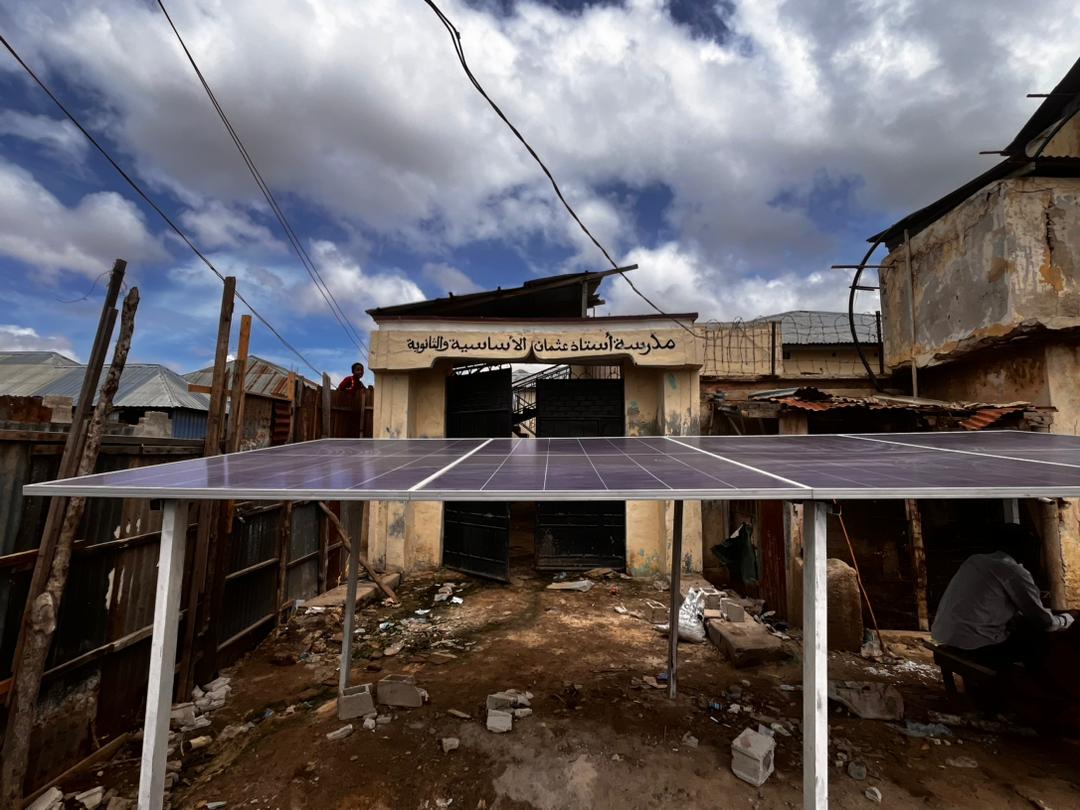
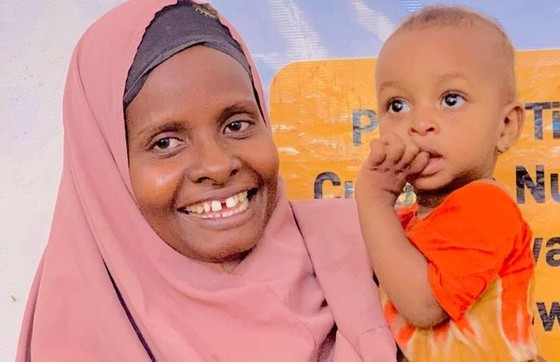
Through innovative prgrams and dedicated support, we have transformed lives and strengthened community resilience in Somalia
Contribute
Volunteer With Us
Contribute
Join Our Team
Donate
Support Cause